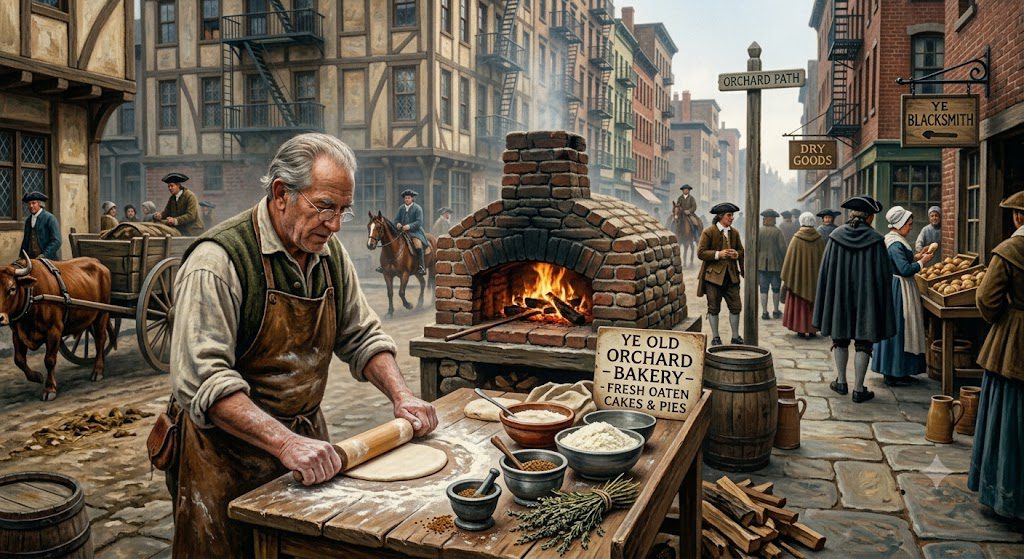
Few foods on Earth transcend cultural, geographical, and linguistic boundaries quite like pizza. Indeed, whether it’s a quick, foldable slice grabbed from a Manhattan street cart, an artisanal wood-fired pie savored in a quiet Italian piazza, or a thick, cheese-laden square baked in a steel automotive pan in Detroit, pizza occupies a unique place in the human palate.
Ultimately, what began as a simple, inexpensive flatbread designed to feed the impoverished working classes of 18th-century Naples has since evolved into a multi-billion-dollar global culinary phenomenon. Therefore, to understand how a simple disc of dough topped with sauce and cheese conquered the world, one must first trace its humble origins, followed by its explosive rise in consumer demand, and finally the incredible mosaic of styles that define pizza today.
1. The Historical Roots: From Ancient Flatbreads to Neapolitan Streets
To trace the lineage of pizza, one must distinguish between flatbreads—which have existed for millennia across nearly every ancient civilization—and modern pizza. Ancient Persian soldiers baked flatbreads topped with cheese and dates on their battle shields, while the ancient Greeks supplemented their breads with oils, herbs, and local cheeses. However, the direct ancestor of the pizza we recognize today was forged in southern Italy.
The Word “Pizza”
The term “pizza” first appeared in written records as early as 997 AD in a Latin manuscript from Gaeta, a coastal town between Rome and Naples. The document specified that a tenant was to pay the local bishop twelve pizzas, a pork shoulder, and a pork kidney every Christmas and Easter Day.
The Lazzaroni of Naples
Despite the ancient origins, modern pizza was born in Naples during the 18th century. At the time, Naples was one of Europe’s largest and most densely populated cities, driven by rapid urbanization. Thousands of impoverished rural migrants—known as lazzaroni—thronged the city, working as casual laborers, porters, and messengers. They needed cheap, quick food they could consume on the move.
Street vendors stepped in to fill the need, selling baked flatbreads out of wooden boxes under their arms. Initially, these flatbreads were topped with simple, inexpensive ingredients: pork lard, garlic, salt, and local hard cheeses.
The Tomato Revolution
The critical turning point in pizza’s evolution was the introduction of the tomato. Native to South America, tomatoes were brought to Europe by Spanish explorers in the 16th century. For generations, Europeans avoided them, believing the nightshade fruit was poisonous.
By the early 1700s, desperate lazzaroni began adding cheap, fresh tomatoes to their flatbreads. The combination was revolutionary. Soon, street vendors were selling the Pizza Marinara—a simple creation of tomatoes, garlic, oregano, and extra virgin olive oil, named after the fishermen’s wives (marinare) who prepared it for their returning husbands.
┌─────────────────────────────────────────────────────────────────────────────┐
│                       THE EVOLUTION OF NEAPOLITAN PIZZA                     │
├─────────────────┬───────────────────────────────────────────────────────────┤
│ Era             │ Milestone                                                 │
├─────────────────┼───────────────────────────────────────────────────────────┤
│ Ancient Times   │ Flatbreads with oil, herbs, and cheese across the Med.    │
│ 997 AD          │ First written record of the word "pizza" in Gaeta, Italy. │
│ Early 1700s     │ Neapolitan *lazzaroni* add tomatoes to street flatbreads. │
│ 1738 / 1830     │ Antica Pizzeria Port'Alba opens—world's first pizzeria.   │
│ 1889            │ Raffaele Esposito creates the iconic Pizza Margherita.    │
│ 1905            │ Lombardi's opens in NYC; pizza spreads to the USA.        │
│ 2017            │ UNESCO grants Neapolitan *pizzaiuolo* Heritage status.   │
└─────────────────┴───────────────────────────────────────────────────────────┘
The Birth of the Margherita
In 1889, King Umberto I and Queen Margherita of Savoy visited Naples. Tired of the rich French cuisine typical of royal courts, the Queen requested local specialties. Pizzeria owner Raffaele Esposito was summoned to prepare three varieties.
The Queen favored a pie decorated to mirror the colors of the Italian flag: red San Marzano tomatoes, white fresh mozzarella, and green basil leaves. Esposito named the creation Pizza Margherita in her honor, sealing pizza’s transformation from a disparaged poor man’s snack into a national treasure.
2. The Global Boom: How Demand Exploded
While pizza was beloved in Naples, it remained largely unknown across the rest of Italy and the world until the late 19th and early 20th centuries. The explosion in demand occurred through three distinct waves of expansion.
Wave 1: The Great Italian Migration to America (1880s–1920s)
At the turn of the 20th century, millions of southern Italians migrated to industrial cities in the United States, bringing their culinary traditions with them. In 1905, Gennaro Lombardi opened America’s first licensed pizzeria, Lombardi’s, on Spring Street in Manhattan’s Little Italy.
Initial demand was driven entirely by Italian immigrant communities, who bought slices wrapped in paper to take to factory jobs. As these communities integrated, non-Italian neighbors discovered the dish, giving rise to regional variations in cities like Trenton, Boston, New Haven, and Chicago.
Wave 2: Post-WWII Soldiers and Commercialization (1940s–1960s)
The true catalyst for universal global demand occurred during World War II. Allied soldiers deployed in Italy developed a strong appetite for local pizzerias. When they returned home to North America and Western Europe, they sought out the dish they had grown to love abroad.
This surge in popularity coincided with several major post-war industrial innovations:
- Gas Ovens: Replaced traditional wood-burning brick ovens, making it cheap and easy for anyone to open a pizzeria without specialized masonry.
- Prepared Ingredients: Mass production of shredded mozzarella, canned tomato sauce, and pre-cut pepperoni allowed for rapid assembly.
- The Delivery Box: The development of corrugated cardboard boxes in the 1960s made hot, home-delivered pizza a staple of suburban family dining.
- Frozen Pizza: Introduced to supermarkets in the 1950s and 60s, turning pizza into an effortless freezer staple for millions.
Wave 3: Global Franchise Chains & Modern Artisanal Rebirth
From the late 1950s onward, brands like Pizza Hut, Domino’s, and Little Caesars expanded rapidly, standardizing the product and introducing it to international markets across Asia, Latin America, and Africa.
Simultaneously, a counter-movement emerged in the late 20th and early 21st centuries: the Artisanal Rebirth. Consumers began seeking out authentic heritage recipes, sourdough fermentation, locally sourced organic ingredients, and classic wood-fired methods. In 2017, UNESCO officially recognized the “Art of the Neapolitan Pizzaiuolo” as an Intangible Cultural Heritage of Humanity, affirming pizza’s elevated status in global gastronomy.
3. The World of Pizza: Exploring Styles Across the Globe
As pizza traveled, local bakers adapted dough recipes, cooking temperatures, and toppings to regional tastes and ingredients. Today, pizza styles fall into distinct categories defined by crust structure, baking vessel, and topping architecture.
┌──────────────────────────────────────────────────────────────────────────────────┐
│                          GLOBAL PIZZA STYLE COMPARISON                           │
├─────────────────┬───────────────────┬─────────────────────┬──────────────────────┤
│ Style           │ Crust Type        │ Cooking Method      │ Key Characteristics  │
├─────────────────┼───────────────────┼─────────────────────┼──────────────────────┤
│ Neapolitan      │ Soft, chewy, airy │ Wood-fired oven     │ Fast bake (60–90s),  │
│                 │ puffed edge       │ (800°F–900°F)       │ simple toppings      │
├─────────────────┼───────────────────┼─────────────────────┼──────────────────────┤
│ New York        │ Thin, pliable,    │ Deck oven           │ Foldable, crispy     │
│                 │ crisp outer edge  │ (500°F–550°F)       │ underside, wide slice│
├─────────────────┼───────────────────┼─────────────────────┼──────────────────────┤
│ Chicago Deep    │ High-walled,      │ Deep round pan      │ Layered backwards:   │
│ Dish            │ buttery/biscuit   │ (400°F)             │ cheese bottom, sauce │
├─────────────────┼───────────────────┼─────────────────────┼──────────────────────┤
│ Detroit Style   │ Thick, airy,      │ Rectangular steel   │ Caramelized cheese   │
│                 │ focaccia-like     │ auto-parts pan      │ crust on outer edges │
├─────────────────┼───────────────────┼─────────────────────┼──────────────────────┤
│ Roman           │ Paper-thin,       │ Deck oven           │ Extremely crispy,    │
│ (Tonda)         │ cracker-like      │ (500°F)             │ no raised edge       │
└─────────────────┴───────────────────┴─────────────────────┴──────────────────────┘
A. Classic Italian Heritage Styles
1. Pizza Napoletana (Neapolitan)
The mother of all modern pizzas.Under strict rules set by the Associazione Verace Pizza Napoletana (AVPN), authentic Neapolitan pizza must use refined ’00’ flour, fresh yeast, water, and sea salt. Hand-stretched without a rolling pin, it is cooked for just 60 to 90 seconds in a wood-fired dome oven at temperatures exceeding 800°F (430°C+).
- Structure: A thin center (around 3mm) with a puffy, charred, leopard-spotted edge called the cornicione.
- Classic Varieties:
- Margherita: San Marzano tomatoes, fresh Fior di Latte or Buffalo Mozzarella, fresh basil, and extra virgin olive oil.
- Marinara: San Marzano tomatoes, fresh garlic, oregano, and extra virgin olive oil (no cheese).
2. Pizza Romana (Tonda & Al Taglio)
Rome offers two distinct styles:
- Pizza Tonda (Round): Unlike Neapolitan pizza, Roman round pizza features an ultra-thin, cracker-like crust stretched thin and baked longer to achieve a light, shatter-crisp bite.
- Pizza al Taglio (By the Cut): Baked in long rectangular pans and sold by weight across street stalls. The dough has a high water content and undergoes a long cold-fermentation process, producing a light, airy base topped with everything from sliced potatoes and rosemary to prosciutto and burrata.
3. Sfincione (Sicilian)
Originating in Palermo, Sicily, Sfincione translates roughly to “thick sponge.” It features a thick, bread-like dough similar to focaccia, topped with a rich tomato sauce cooked with onions, anchovies, oregano, and hard sheep’s milk cheese (caciocavallo).
B. Iconic American Regional Styles
1. New York Style
Directly descended from Neapolitan tradition, New York style was adapted to gas deck ovens, which bake at lower temperatures over longer periods.
- Characteristics: Large round pies (18+ inches) cut into eight wide slices. The crust is thin, crispy on the bottom, yet flexible enough to fold in half lengthwise.
- Build: Lightly seasoned tomato sauce, low-moisture shredded mozzarella (which browns cleanly without making the crust soggy), and classic toppings like sliced pepperoni.
2. Chicago Deep Dish
Created in 1943 at Pizzeria Uno in Chicago, this style reimagined pizza as a pie.
- Characteristics: Baked in a deep, high-walled steel pan coated with oil or butter. The dough—often enriched with cornmeal or semolina—creates a buttery, biscuit-like crust.
- Inverted Assembly: Because the baking time is long (30–40 minutes), normal layering would burn the cheese. Instead, sliced mozzarella goes directly on top of the raw dough base, followed by meats and vegetables, and finished with a thick, chunky tomato sauce.
3. Detroit-Style Pizza
Born in 1946 at Buddy’s Rendezvous in Detroit, this rectangular pan pizza was famously baked in heavy blue-steel pans originally designed to hold small automotive parts on factory assembly lines.
- Characteristics: A thick, high-hydration dough that rises into an airy, spongy interior with a crispy, fried bottom.
- The Cheese Crown: Brick cheese (a rich, buttery cheese native to Wisconsin) is spread all the way to the edges of the pan. As it bakes, the cheese melts down the sides, caramelizing against the hot steel to create a dark, crunchy perimeter. Tomato sauce is spooned warm over the top in vertical racing stripes after baking.
4. New Haven “Apizza”
Pronounced “ah-beetz” by locals in Connecticut, this style was brought by coal miners and bakers from the Campania region in the 1920s.
- Characteristics: Baked in white-hot coal-fired ovens reaching over 800°F, producing an oblong, asymmetrical pie with a dark, charred, chewy crust.
- Varieties: A standard “plain pie” features tomato sauce, garlic, and a light dusting of grated pecorino Romano (no mozzarella unless specifically requested as a topping). New Haven is also famous for its White Clam Pie, topped with fresh sweet clams, garlic, olive oil, and oregano.
C. International Fusion & Global Interpretations
As pizza spread across continents, non-Western cultures adapted the flatbread template to highlight native ingredients and local taste profiles.
1. Brazilian Pizza
Brazil—home to one of the largest populations of Italian descendants outside Italy—has developed an expressive pizza culture. Brazilian pies are known for generous, mountain-like toppings, thin dough, and a thick rim stuffed with catupiry (a soft, creamy cheese). Popular varieties include heart-of-palm, sweet-corn, and shredded-chicken pizzas, as well as dessert pizzas topped with condensed milk, fruit, and chocolate.
2. Japanese Mayo-Corn & Okonomiyaki Pizza
In Japan, pizza is treated as both a fast-food staple and an avenue for culinary experimentation. Common toppings include sweet corn, Japanese mayonnaise, teriyaki chicken, squid, nori seaweed, and bonito flakes that dance in the steam of a freshly baked pie.
3. Turkish Lahmacun & Pide
While technically distinct historical flatbreads, Lahmacun and Pide are often referred to as Turkish pizza. Lahmacun consists of a paper-thin disc of dough spread with ground lamb or beef, minced onions, tomatoes, parsley, and spices, baked quickly and rolled up with fresh lemon juice and salad.
The Enduring Secret of Pizza’s Success
Why has pizza maintained its cultural hold for centuries while other food trends fade?
At its core, pizza is the ultimate culinary canvas. It balances the fundamental taste profiles our palates crave: rich fats from cheese, bright acidity from tomatoes, savory umami from cured meats, and the comforting comfort of freshly baked, fermented carbohydrates.
It is inherently social—designed to be sliced, shared, and eaten with one’s hands. Whether crafted according to strict centuries-old guidelines in Naples or built inside an industrial steel pan in the American Midwest, pizza remains a universal language of comfort, creativity, and community.